Professional Roofer Providing Quality Roofing Solutions
Appointing a professional roofer constitutes a strategic choice for property owners seeking superior roof services. These professionals not only guarantee compliance with municipal construction codes but also grant access to excellent roofing materials. Their ability to uncover and tackle foreseeable problems early can conserve substantial time and money. Understanding the diverse roof choices obtainable and their perks can enhance further this endeavor. What factors should property owners consider when selecting the most suitable professional for their specifications?
Why You Should Retain a Professional Roofer
When evaluating a roofing project, hiring a professional roofer guarantees both quality and safety. Experienced roofing professionals have the required education and knowledge to manage different roofing problems effectively. Their experience allows them to identify potential issues before they worsen, ensuring lasting performance. Furthermore, they are well-versed in local building codes and regulations, which reduces the risk of legal complications.
Moreover, certified roof technicians have access to high-quality materials that may not be available to the standard property owner, enhancing the overall effectiveness of the roof mechanism. They also provide warranties that can provide peace of mind, preserving the resources dedicated to the roofing project. Importantly, safety holds utmost importance; certified roof technicians are equipped with the right tools and protective attire to perform their work without endangering injury. To conclude, hiring a certified roofing technician is a judicious decision for achieving a dependable and secure roofing solution.
A Guide to Popular Roofing Options and Their Benefits
Numerous roof options are obtainable, each providing different pros tailored for multiple desires and requirements. Asphalt shingles rank among the most common due to their cost-effectiveness, ease of installation, and variety of colors. Metal roofing, known for its durability and extreme weather protection, also reflects heat, making it energy-efficient. Slate tiles offer a timeless aesthetic and outstanding longevity, while clay tiles deliver superior thermal protection and can withstand harsh climates.
For those interested in eco-friendly solutions, rubber roofing is becoming mainstream; it resembles the appearance of expensive materials and is manufactured with recycled products. Wood shakes present a authentic, rustic feel but need increased maintenance. Finally, synthetic roofing materials bring together the best characteristics of traditional options, ensuring adaptability and resilience. Each material provides unique benefits, making it essential for homeowners to assess their needs and contact professionals when picking the best roofing solution.
Common Roofing Issues and How Professionals Address Them
Common roofing issues, for instance moisture damage and leaks, can produce substantial foundation and structural damage if not addressed without delay. Additionally, compromised or missing shingles diminish the roof's integrity and subject the home to further threats. Professionals apply diverse strategies to pinpoint and address these issues, ensuring sustained protection and confidence for dwelling owners.
Leaks and Water Deterioration
Leaks and water damage impose formidable difficulties for homeowners, often provoking costly repairs and structural concerns. These issues typically derive from a variety of sources, including aging materials, improper installation, or even severe weather conditions. Water infiltration can affect insulation, enable mold growth, and weaken structural integrity. Professional roofers implement advanced techniques to pinpoint and resolve leaks effectively. They undertake thorough inspections to pinpoint vulnerable areas, employing tools such as moisture meters and infrared cameras. Once identified, they establish targeted solutions, which may include sealing, flashing replacement, or, in severe cases, partial roof replacement. By addressing leaks promptly, professionals help homeowners alleviate damage, ensuring long-term protection and peace of mind.
Missing or Damaged Shingles
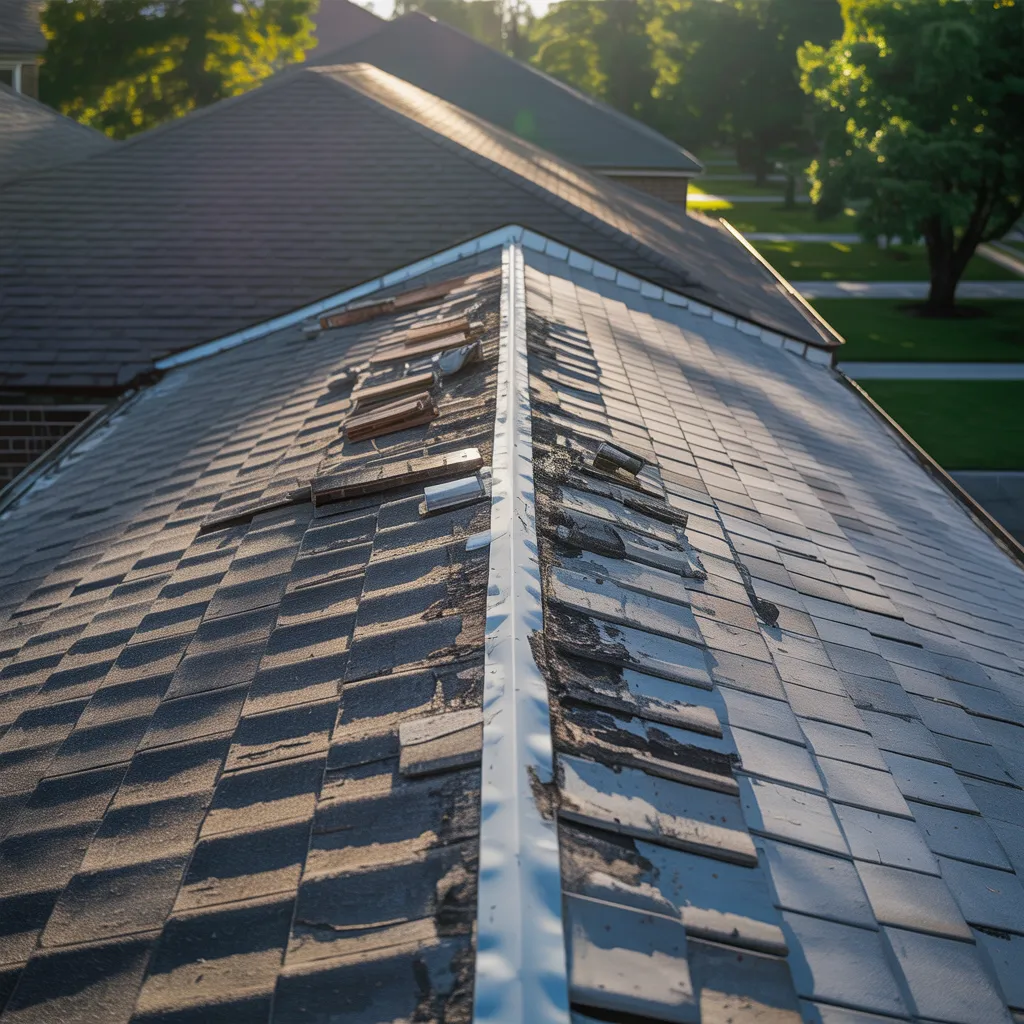
Roofing troubles often surface through missing or damaged shingles, which can undermine a home's protective boundary. These shortcomings expose the underlying structure to weather conditions, potentially leading to leaks and progressive damage. Professionals routinely conduct thorough inspections to identify the extent of the damage. They may recommend swapping out single shingles or complete areas, according to the severity. Using high-quality materials, experienced roofers secure accurate placement to circumvent future issues. Additionally, they survey the roof's overall condition to manage any secondary issues, such as poor ventilation or structural weaknesses. Regular upkeep and prompt attention are indispensable for preserving a roof's strength, ultimately safeguarding the home against water seepage and other natural threats.
Selecting the Perfect Roofing Option for Your Home
When choosing the best roof selection for a home, it is vital to evaluate individual roofing needs from the start. Grasping the variety of material options obtainable and their associated costs can significantly impact the decision-making process. Budget considerations also remain critical in ensuring that the selected choice meets both aesthetic and functional requirements.
Determining Your Roofing Needs
How does one decide on the most suitable roofing choice for their home? Evaluating roofing needs begins with considering the home's structure and local climate. Homeowners should evaluate factors such as energy savings, durability, and maintenance requirements. A thorough assessment of the existing roof can identify potential issues that may affect the choice of materials. Additionally, budget constraints play a significant role; understanding the long-term costs versus initial investment is important. Consulting with a professional roofer can give valuable insights and recommendations customized to specific needs. Ultimately, the decision should balance aesthetic preferences with functional requirements, making certain the selected roofing solution boosts the home’s value while providing lasting protection.
Material Varieties Guide
Choosing appropriate roofing materials constitutes a fundamental phase in the entire roofing process. Homeowners need to weigh different possibilities, each featuring distinct advantages and drawbacks. Asphalt shingles are preferred for their affordability and ease of installation, while metal roofing ensures resilience and thermal performance. Clay and concrete tiles supply a stylish, long-lasting solution, notably fitting for warm climates. Wood shakes demonstrate a earthy character but demand more frequent upkeep. Synthetic materials, like rubber or plastic, echo traditional styles while ensuring improved longevity. Furthermore, environmental considerations practical resource may inspire some homeowners to pursue environmentally responsible alternatives including green roofs or recycled materials. At the end of the day, determining the finest roofing material is contingent upon the home's design, climate, and personal preferences.
Budget Planning Outlined
Estimating the budget for a roofing project often requires careful consideration of several factors to make sure homeowners select the most matching option for their needs. First, the choice of material strongly impacts both upfront costs and long-term durability. Asphalt shingles may offer a cost-efficient option, while metal or tile choices might provide longer lifespan but at a higher price. Additionally, labor fees can fluctuate depending on the roofing contractor’s expertise and the complexity of the job. Homeowners should also include potential hidden costs, such as structural repairs or permits. Finally, factoring in long-term savings through energy efficiency and warranties will help make an informed decision that balances immediate spending with future gains.
What to Expect From the Roof Installation Process
Learning about the roof installation procedure can significantly improve a homeowner's involvement during a roof renovation. Initially, homeowners should expect a thorough examination of the current roofing to determine its state and the necessary repairs or replacements. Following the evaluation, a comprehensive plan will detail the scope of work, supplies, and timeline.
When the project starts, homeowners can anticipate an orderly layout with protective protocols in place to protect their property. The roofing crew will remove old materials, review the underlying structure, and install new roofing systems according to industry standards. Interaction is vital, as homeowners should expect regular updates on advancement and any unforeseen challenges.
Finally, the project concludes with a comprehensive evaluation to guarantee excellence and compliance with specifications. Homeowners should also receive maintenance advice to prolong the life of their new roof, emphasizing the importance of understanding the entire roofing process.
The Significance of Regular Roof Inspections
Although many homeowners may neglect roof care, regular assessments are essential for sustaining the integrity and longevity of a roof. These reviews help spot small problems before they develop into costly damage. By detecting problems such as water damage, loose shingles, or moss growth early, homeowners can save both time and money.
In addition, routine inspections ensure that the roof complies with local building codes and regulations, which can avoid future complications during property transactions. Seasonal changes can wear down roofing materials, making it essential to observe wear and tear.
Moreover, a properly maintained roof boosts the visual attractiveness of a home and enhances its market value. Performing routine evaluations not only maintains the structural integrity of the property but also offers confidence for homeowners. Ultimately, prioritizing roof check-ups is a preventative strategy to property maintenance that generates benefits in the long run.
Searching for and Hiring a Capable Roofer in Your Area
By recognizing the criticality of consistent roof inspections, homeowners typically find qualified technicians for maintenance and repairs. Locating a experienced roofer in their area can be tough; however, several smart strategies can reduce the complexity of the endeavor.
Starting off, property owners should ask for recommendations from acquaintances and loved ones who have had done roofing services recently. Feedback and scores found on platforms like Google and Yelp can too give insightful information into a roofing professional's reputation.
Once a list of prospective applicants is assembled, property owners should verify credentials, including insurance and licenses. Requesting multiple quotes allows them to evaluate costs and services provided.
Also, asking regarding warranties and guarantees can help guarantee enduring results. By following these procedures, property owners can securely hire a skilled roofer who satisfies their particular needs, guaranteeing their roof systems stay in optimal condition for years to come.
Common Questions Asked
What Requirements Do You Should to Examine in a Experienced Roofer?
When choosing a professional roofer, prioritize standards like correct licensing, insurance coverage, broad experience, positive customer reviews, and observance of industry standards. These aspects assure trustworthy work and shield against potential liabilities.
What Period Does a Regular Roofing Project Need to Complete?
A typical roofing project generally takes from one to three days, depending on the complexity and size of the roof, weather conditions, and the crew's efficiency. More complex or expansive roofs may require additional time.
Are Roofing Warranties Transferable if I Sell My Home?
Roofing guarantees are often transferable, but particular requirements apply. Property owners should review the warranty documents for information on transferability, as some producers require notice and may have deadlines for the transfer process.
What Measures Ought to I Take if I Believe Roof Deterioration After a Storm?
When roof deterioration is presumed after a storm, the homeowner should inspect the roof for visible issues, document any damage, and consult a professional for an review to determine necessary repairs and avert subsequent issues.
How Can I Maintain My Roof Between Professional Assessments?
Consistently inspect the roof for debris, check for damaged shingles, and clear gutters to prevent water collection. Fix small matters promptly and watch for signs of leaks or wear between professional inspections.